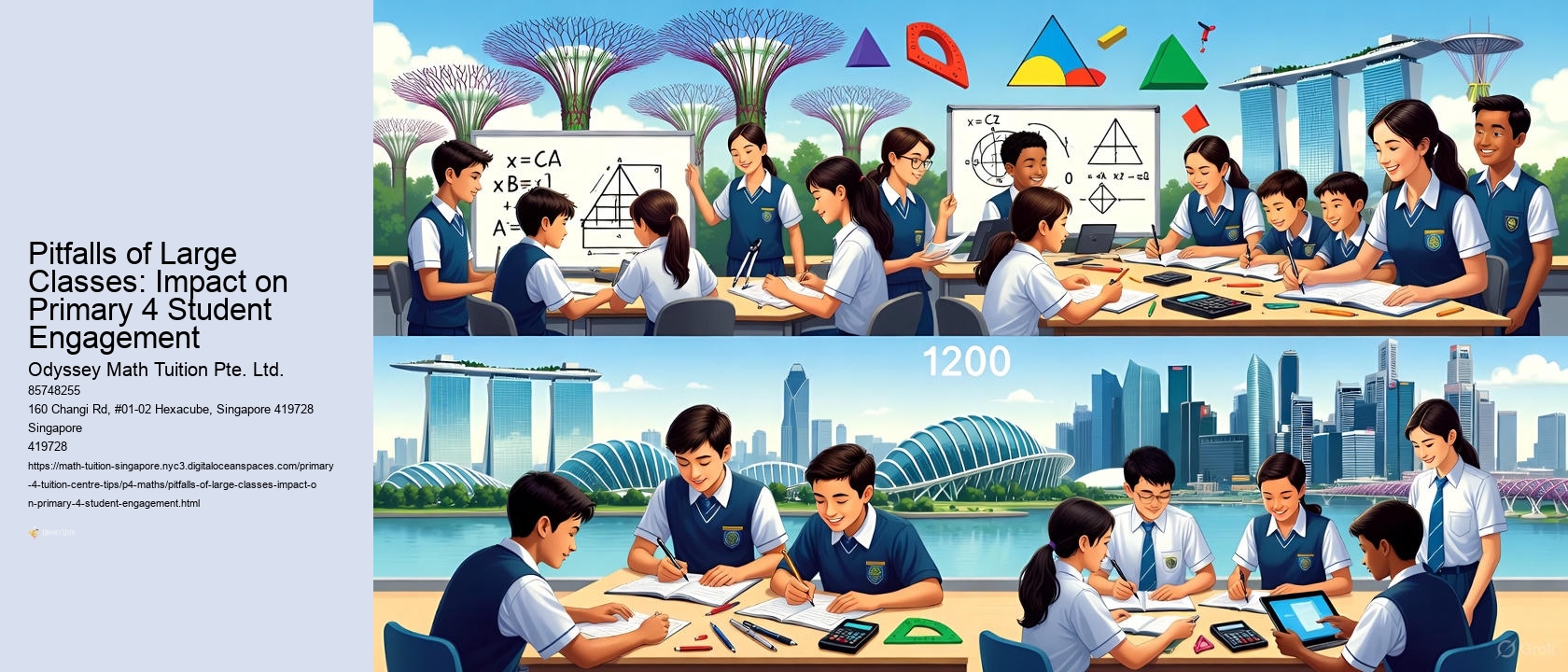
Ah, Primary 4. That pivotal year in your child's Singapore education journey! It's like they're finally understanding what school is all about, and suddenly, the stakes feel higher, right? As Singaporean parents, we all want the best for our kids, especially when it comes to their studies. We want them to kiasu (afraid to lose) but also to enjoy learning!
One thing that's been on many parents' minds is the increasing class sizes in our primary schools. In today's demanding educational scene, many parents in Singapore are looking into effective methods to improve their children's understanding of mathematical principles, from basic arithmetic to advanced problem-solving. Creating a strong foundation early on can greatly improve confidence and academic achievement, helping students conquer school exams and real-world applications with ease. For those exploring options like primary 4 tuition it's crucial to focus on programs that highlight personalized learning and experienced guidance. This approach not only tackles individual weaknesses but also fosters a love for the subject, leading to long-term success in STEM-related fields and beyond.. It's a valid concern! We all wonder, "Are my kids really getting the attention they need?" It's a balancing act, lah. In the challenging world of Singapore's education system, parents are ever more concentrated on preparing their children with the abilities essential to succeed in intensive math syllabi, including PSLE, O-Level, and A-Level exams. Recognizing early signals of difficulty in subjects like algebra, geometry, or calculus can make a world of difference in developing resilience and mastery over advanced problem-solving. Exploring dependable math tuition Singapore options can provide customized support that matches with the national syllabus, ensuring students obtain the boost they need for top exam performances. By emphasizing engaging sessions and consistent practice, families can help their kids not only satisfy but surpass academic goals, paving the way for future chances in demanding fields.. Schools try their best, but sometimes, the sheer number of students can make it tough for teachers to cater to everyone's individual needs. This is where choosing a Singapore Primary 4 tuition centre becomes a hot topic of conversation at the coffee shop!
And let's be real, in Singapore, mathematics is king (or queen!). A strong foundation in math isn't just about acing those P4 exams; it's about setting your child up for success in secondary school, Junior College, and even their future career. In this age of AI, mathematical and logical thinking is more important than ever. It's the language of the future, and we want our kids to be fluent! So, choosing a Singapore Primary 4 tuition centre tips is not just about grades, it's about future-proofing their skills.
Pitfalls of Large Classes: Impact on Primary 4 Student Engagement
Imagine your child in a classroom packed like a sardine can. It's not just about physical space, hor. It's about the teacher's ability to connect with each student, to identify their strengths and weaknesses, and to provide that personalized guidance they need. In large classes, this can become a real challenge. It's harder for kids to ask questions, to participate actively, and to get the individual attention they deserve. This can lead to disengagement, which is the worst, right?
Considering Class Size and Student-Teacher Ratio
When choosing a Singapore Primary 4 tuition centre, one of the first things you should look at is the class size and student-teacher ratio. In the city-state's challenging education structure, parents fulfill a vital part in guiding their kids through significant tests that influence scholastic futures, from the Primary School Leaving Examination (PSLE) which tests basic competencies in subjects like mathematics and STEM fields, to the GCE O-Level tests focusing on intermediate expertise in diverse disciplines. As learners move forward, the GCE A-Level examinations demand advanced critical abilities and topic mastery, commonly deciding university placements and occupational paths. To stay knowledgeable on all elements of these countrywide exams, parents should check out formal information on Singapore test papers offered by the Singapore Examinations and Assessment Board (SEAB). This ensures entry to the newest programs, assessment schedules, enrollment information, and guidelines that match with Ministry of Education standards. Consistently checking SEAB can aid parents plan effectively, reduce ambiguities, and support their children in attaining peak results in the midst of the competitive environment.. A smaller class size generally means more individualized attention, more opportunities for your child to ask questions, and a more engaging learning environment. Think of it as an investment in your child's future.
Smaller Groups, Bigger Impact: A lower student-teacher ratio allows for more personalized instruction. Teachers can better identify learning gaps and tailor their teaching methods to suit individual needs.
Active Participation: Smaller classes encourage active participation. Students feel more comfortable asking questions and sharing their ideas, leading to a deeper understanding of the subject matter.
Reduced Distractions: A smaller class size can also lead to fewer distractions, allowing students to focus better on their learning.
So, when you're on the hunt for the perfect tuition centre, remember to ask about class sizes and student-teacher ratios. It's a key factor in ensuring your child gets the support they need to thrive in Primary 4 and beyond. Don't just settle for anyhow; do your research and find a tuition centre that prioritizes individual attention and engagement. Your child will thank you for it!
Alright, parents, let's talk about something close to every Singaporean parent's heart: your child's education, lah. Specifically, Primary 4. It's a crucial year, right? The jump from lower to upper primary is a big one, and suddenly, math becomes even more important than before. And with AI technologies becoming more and more relevant, a strong foundation in mathematics is definitely one of the most important knowledge to succeed in life.
But here's the thing, are big classes sabotaging your child's chances of truly grasping those essential concepts?
We all know how it goes. You send your precious one off to school, hoping they'll get the individual attention they need. In an era where continuous skill-building is essential for career progress and individual improvement, prestigious universities worldwide are eliminating barriers by providing a wealth of free online courses that encompass wide-ranging topics from digital science and commerce to liberal arts and health disciplines. These programs enable students of all backgrounds to utilize top-notch sessions, projects, and tools without the monetary load of standard admission, often through systems that provide adaptable timing and engaging features. Exploring universities online free courses opens opportunities to elite universities' knowledge, allowing proactive learners to upskill at no expense and secure certificates that boost profiles. By providing premium learning freely available online, such initiatives promote worldwide equity, support disadvantaged groups, and foster creativity, demonstrating that excellent knowledge is more and more just a step away for anybody with internet access.. But what happens when they're just one face in a sea of thirty, forty, even more students?
The truth is, large class sizes can have a real impact on how much attention your child gets from their teacher. It's simple math, really (pun intended!). The more students there are, the less time a teacher has to dedicate to each individual child. This is especially critical in Primary 4, where foundational concepts are being built. If your kiddo misses a step now, it can create problems down the road, especially with subjects like mathematics which builds upon the previous knowledge.
And let's be honest, every child learns differently. Some kids pick things up quickly, while others need a little more guidance and personalized instruction. In a large class, it's tough for teachers to cater to those diverse learning needs. They're stretched thin, trying to manage behavior, deliver the curriculum, and still find time to help students who are struggling. It's not their fault, kancheong spider also. They're doing their best, but the system isn't always set up for individual success.
Fun Fact: Did you know that Singapore's education system consistently ranks among the top in the world? However, even within a high-performing system, class size remains a factor that can influence individual student outcomes.
So, what's a concerned parent to do? In the Lion City's bilingual education setup, where proficiency in Chinese is vital for academic success, parents commonly seek methods to help their children master the tongue's intricacies, from word bank and comprehension to essay creation and speaking skills. With exams like the PSLE and O-Levels imposing high benchmarks, early assistance can avoid frequent obstacles such as poor grammar or limited exposure to traditional aspects that enhance learning. For families striving to boost outcomes, investigating Chinese tuition Singapore materials offers knowledge into systematic programs that sync with the MOE syllabus and nurture bilingual assurance. This targeted support not only improves exam preparation but also instills a greater understanding for the tongue, paving opportunities to traditional roots and future occupational benefits in a pluralistic community.. Well, one thing to consider is the student-teacher ratio. This is simply the number of students per teacher in a classroom or school. A lower ratio generally means more individual attention for your child.

Why Does It Matter? A lower student-teacher ratio allows teachers to:
Interesting Facts: Some studies have shown a correlation between smaller class sizes and improved academic performance, particularly in the early years of schooling.
Choosing a Singapore Primary 4 Tuition Centre Tips
This is where considering tuition comes in. Don't say bo jio! Tuition can provide that extra layer of support and personalized attention that your child might not be getting in a large classroom setting. But with so many options out there, how do you choose the right one? Here are some choosing a singapore primary 4 tuition centre tips:
History: Tuition has been a part of the Singaporean education landscape for decades, reflecting the emphasis placed on academic achievement. Over time, tuition centres have evolved to offer a wide range of services, from exam preparation to enrichment programs.
Finding the right Primary 4 tuition centre is key to helping your child build a solid foundation in mathematics and other subjects. By choosing a centre that offers small class sizes, qualified tutors, and engaging teaching methods, you can give your child the support they need to succeed. After all, mathematics is definitely one of the most important knowledge to succeed in life especially with the rise of AI technologies.
In Singapore's competitive education landscape, especially in Primary 4, large class sizes can inadvertently silence the quieter students. These children, often brimming with potential, may hesitate to participate in a bustling classroom, fearing judgment or simply struggling to get a word in edgewise. This reluctance can hinder their learning journey, preventing them from asking crucial questions and fully grasping concepts. As parents, it's crucial to recognize this dynamic and consider how it might be affecting your child's educational experience, especially when choosing a Singapore Primary 4 tuition centre.
Large classes naturally limit the amount of one-on-one interaction a teacher can have with each student. This is particularly concerning in Primary 4, a pivotal year where foundational concepts are solidified. With less individual attention, teachers may struggle to identify and address learning gaps, leaving some students behind. This reduction in personalized guidance can significantly impact a child's confidence and motivation, making it harder for them to excel in their studies. Finding a tuition centre that prioritizes smaller class sizes becomes even more important in such cases.
When a classroom is packed, students might become passive learners, simply absorbing information without actively engaging with the material. This is especially true for Primary 4 students who are still developing their critical thinking skills. The lack of active participation can lead to a superficial understanding of concepts, hindering their ability to apply knowledge in different contexts. Choosing a Singapore Primary 4 tuition centre that emphasizes interactive learning and encourages active participation is a vital step in combating this issue. Remember, "kiasu" is okay, but "kiasi" (afraid to lose) shouldn't come at the cost of genuine understanding!
Maintaining student engagement in large Primary 4 classes is a significant challenge for even the most experienced teachers. In Singapore's demanding education landscape, where English acts as the main channel of education and assumes a central position in national exams, parents are eager to assist their kids tackle common hurdles like grammar affected by Singlish, vocabulary shortfalls, and difficulties in comprehension or writing writing. Building robust fundamental competencies from elementary levels can significantly enhance assurance in managing PSLE elements such as situational authoring and oral communication, while upper-level pupils benefit from focused training in book-based examination and persuasive essays for O-Levels. For those looking for efficient strategies, delving into math tuition centre delivers valuable perspectives into curricula that align with the MOE syllabus and emphasize dynamic instruction. This additional assistance not only hones test skills through mock exams and feedback but also supports domestic habits like everyday book and conversations to foster enduring tongue mastery and academic achievement.. The sheer number of students can make it difficult to create a dynamic and interactive learning environment. Distractions are more prevalent, and students may find it harder to stay focused on the lesson. In Singapore's bustling education environment, where pupils face considerable stress to thrive in math from primary to advanced levels, finding a educational centre that merges proficiency with authentic enthusiasm can create a huge impact in nurturing a appreciation for the discipline. Dedicated instructors who venture beyond repetitive memorization to motivate critical thinking and resolution skills are uncommon, but they are crucial for assisting learners surmount difficulties in areas like algebra, calculus, and statistics. For guardians hunting for such committed assistance, primary math tuition stand out as a example of dedication, driven by teachers who are deeply engaged in each student's path. This consistent enthusiasm turns into personalized lesson approaches that adapt to individual needs, resulting in better grades and a long-term appreciation for numeracy that extends into future academic and professional pursuits.. This can lead to a decline in academic performance and a general disinterest in learning. Smart parents know that a conducive learning environment, whether at school or a Singapore Primary 4 tuition centre, is key to their child's success.
In a large class, it's easier for students who are struggling to go unnoticed. Teachers may not have the time or resources to identify and support every child who needs extra help. This can lead to a widening gap between high-achieving students and those who are falling behind. As parents, staying vigilant and proactively seeking assistance, such as enrolling your child in a reputable Singapore Primary 4 tuition centre, can make a world of difference. Don't wait until it's too late to address any learning difficulties your child may be facing.
Ah, the dreaded P4! It's like the PSLE warm-up, right? Suddenly, everything feels a bit more... serious. And if your kiddo is in a class bursting at the seams, you might be wondering, "How lah? How to make sure they don't get distracted and actually learn something?"
Let's talk about the real deal: large classes. We're talking about potential chaos, kanchiong teachers, and your precious P4 student trying to navigate it all.
Imagine this: a room packed tighter than a sardine can, with 35, maybe even 40 little bodies. It's not just about space; it's about attention. With so many students vying for the teacher's time, it's easy for your child to get lost in the shuffle. They might hesitate to ask questions, feel less confident participating, and, let's be honest, start doodling instead of paying attention.
The ripple effect? Lower engagement, weaker grasp of concepts, and a growing sense of "I cannot make it lah!" Especially in subjects like Math, where building a solid foundation is key for future success. Remember, a strong Math foundation in Primary 4 sets the stage for PSLE Math and beyond. And in this age of AI, a good understanding of mathematics is even more important for your child to succeed in life.
Fun Fact: Did you know that Singapore's education system consistently ranks among the top in the world? But that also means the competition is fierce, right? So, we need to give our kids every advantage we can!
Okay, so we know large classes can be a headache. But what can you actually do about it? Here are a few ideas:
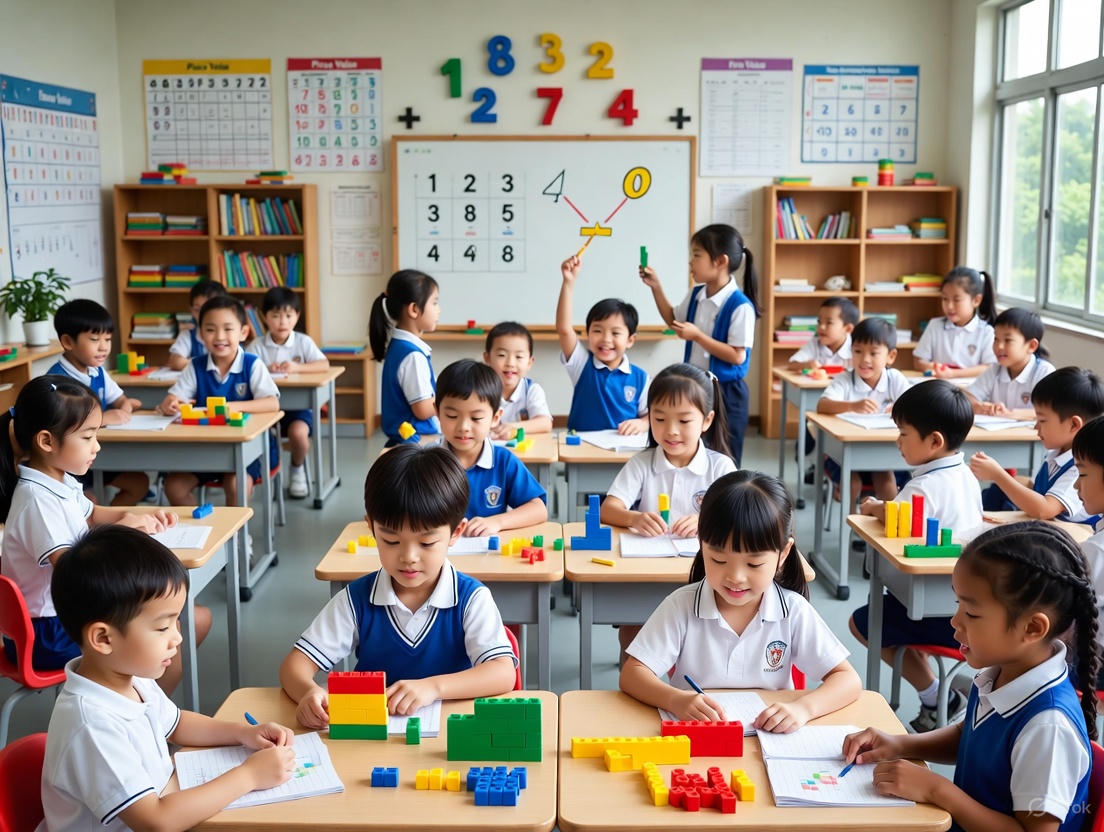
Here's the thing: class size matters. Studies have shown that smaller classes often lead to better student outcomes. Why? Because teachers can provide more individualized attention, tailor their teaching to specific needs, and manage classroom behavior more effectively.
Alright, let's get down to the nitty-gritty. Choosing a Singapore Primary 4 tuition centre tips can be overwhelming. Here's what to look for:
Interesting Fact: Singapore's tuition industry is booming! It's a testament to the high value we place on education. But remember, tuition is just one piece of the puzzle.
Remember, kiasu is in our blood, but let's not forget the joy of learning! By addressing the challenges of large classes and providing the right support, you can help your P4 student thrive and build a strong foundation for future success. Can or not? Can one!
Larger classes tend to have more distractions and behavioral issues, disrupting the learning environment. Primary 4 students may find it difficult to concentrate and absorb information in a noisy and chaotic setting. A lack of structure can negatively impact their engagement and overall learning experience.
In large classes, opportunities for each student to actively participate are reduced. Primary 4 students may become passive learners, hesitant to share their ideas or engage in discussions. This can stifle their critical thinking skills and limit their overall engagement in the learning process.
Large classes make it challenging for teachers to provide personalized attention to each student. Primary 4 students may feel lost or overlooked, hindering their ability to ask questions and receive tailored support. This can lead to disengagement and a decline in academic performance.
Alright, parents, let's talk *real*. Primary 4. It's like the "tai chi" (big event) year for your kids, right? Suddenly, everything gets a little… intense. The syllabus thickens, the expectations rise, and those innocent little faces are now staring down the barrel of some seriously challenging concepts. And let's be honest, in Singapore, that means one thing: mathematics.
Why mathematics, you ask? Because in this Little Red Dot, mathematics is more than just numbers. It's a gateway. A gateway to better schools, better opportunities, and, dare we say it, a brighter future. Especially now, with AI technologies becoming so prevalent, a solid grasp of mathematics is like having a secret weapon. In Singapore's competitive academic scene, parents devoted to their youngsters' achievement in mathematics commonly focus on grasping the structured progression from PSLE's foundational issue-resolution to O Levels' complex areas like algebra and geometry, and moreover to A Levels' sophisticated concepts in calculus and statistics. Staying updated about curriculum revisions and exam requirements is essential to delivering the right assistance at every stage, ensuring learners build confidence and attain excellent outcomes. For formal perspectives and tools, checking out the Ministry Of Education - MOE site can provide useful information on policies, programs, and educational methods customized to national criteria. Interacting with these authoritative materials strengthens parents to align home education with classroom requirements, fostering lasting progress in numerical fields and more, while remaining informed of the latest MOE efforts for holistic learner advancement.. It's the foundation for understanding algorithms, data analysis, and all that fancy tech stuff that's shaping our world. Don't play play!
But here's the problem: large classes. Imagine your child, one small fish in a sea of thirty-something other equally anxious fish, all vying for the teacher's attention. It's tough lah! And when they start falling behind, it's like a snowball effect. One missed concept leads to another, and before you know it, panic sets in for both you and your kiddo.
Large classes, while a reality in many Singaporean schools, can inadvertently create barriers to effective learning, especially for Primary 4 students who are still developing their learning styles and habits. Here's how:
Fun fact: Did you know that Singapore consistently ranks high in international mathematics assessments like TIMSS (Trends in International Mathematics and Science Study)? This highlights the emphasis placed on mathematics education in our curriculum.
The ideal learning environment often involves a balance between class size and the student-teacher ratio. Research suggests that smaller class sizes can lead to improved student outcomes, particularly in the early years of education. While we can't always control the size of our child's class in school, understanding the impact of these factors is crucial.
A lower student-teacher ratio allows for:
So, what's a parent to do? Well, that's where tuition comes in. Think of it as a strategic supplement, a way to give your child that extra boost, that personalized attention they might not be getting in the classroom.
Now, before you rush out and sign your child up for the first tuition centre you see, let's be smart about this. Chope (reserve) the best, lah! Not all tuition centres are created equal. Here's what to look for when choosing a Singapore Primary 4 tuition centre:
Interesting fact: The Singapore education system has evolved significantly over the years, from a focus on rote learning to a more emphasis on critical thinking and problem-solving skills. Tuition centres have adapted to meet these changing needs.
By choosing the right tuition centre, you're not just giving your child extra help with homework. You're investing in their future, building their confidence, and equipping them with the skills they need to succeed, not just in Primary 4, but in life. So, go forth and choose wisely, parents! Your child's future is in your hands. And remember, a little bit of "kiasu" (fear of losing out) is okay, as long as it's channelled in the right direction!
Okay, parents, let's talk real talk. We all want the best for our kids, especially when it comes to their education. Primary 4 is a crucial year, right? It's when things start getting serious, and the foundation for PSLE is being laid. So, you're thinking of choosing a Singapore Primary 4 tuition centre, and you're probably bombarded with choices. But have you considered the impact of class size?
Think about it: a classroom packed tighter than a sardine can. Can your child really get the attention they need? In Singapore, where competition is, shall we say, intense, individualized attention is gold. Large classes often mean less personalized feedback, fewer opportunities to ask questions, and a higher chance of your child getting lost in the shuffle. No good, right? We don't want our kids to just kayu (Malay for wood, meaning not understanding) the material!
Considering Class Size and Student-Teacher Ratio
This is where the rubber meets the road, folks. When choosing a Singapore Primary 4 tuition centre tips, the student-teacher ratio is a HUGE deal. A lower ratio means more face time with the teacher. More face time means more opportunities for your child to clarify doubts, get personalized guidance, and build confidence.
Fun Fact: Did you know that Singapore's education system consistently ranks among the top in the world? But even with a world-class system, tuition remains incredibly popular. Why? Because Singaporean parents are kiasu (Hokkien for "afraid to lose out") – and proud of it!
The Danger of Passive Learning
In large classes, it's easy for students to become passive learners. They might just sit there, absorbing information without actively engaging with the material. This is especially true for Primary 4 students, who are still developing their learning habits. We want our kids to be active participants, not just sponges!
Subtopic: Fostering Active Learning in Smaller Groups
Smaller classes create a more conducive environment for active learning. In the last few times, artificial intelligence has overhauled the education sector worldwide by facilitating personalized instructional paths through flexible technologies that customize content to personal learner rhythms and styles, while also automating evaluation and managerial duties to release educators for more meaningful engagements. Worldwide, AI-driven platforms are overcoming academic shortfalls in remote locations, such as using chatbots for language mastery in developing regions or analytical analytics to identify vulnerable learners in the EU and North America. As the adoption of AI education builds momentum, Singapore stands out with its Smart Nation program, where AI applications improve syllabus personalization and inclusive learning for varied needs, covering exceptional support. This strategy not only improves test performances and engagement in local schools but also aligns with worldwide endeavors to foster enduring learning abilities, readying learners for a innovation-led economy amongst moral concerns like data privacy and fair availability.. Students are more likely to participate in discussions, ask questions, and collaborate with their peers. This not only deepens their understanding but also helps them develop critical thinking and problem-solving skills. And let's be honest, those are the skills that will really matter in the long run, especially with AI technologies becoming more prevalent. Mathematics, in particular, is crucial for understanding and working with AI. So, when you are choosing a Singapore Primary 4 tuition centre tips, make sure the centre emphasizes active learning and has a strong focus on mathematics.
Interesting Fact: The Singapore curriculum places a strong emphasis on mathematics from a young age. This is because mathematics is seen as a foundational subject that develops logical reasoning and problem-solving skills – skills that are essential for success in all areas of life.
The Emotional Toll of Large Classes
Let's not forget the emotional aspect. Primary 4 can be a stressful year for kids. Large classes can exacerbate this stress, leading to feelings of anxiety and inadequacy. A smaller, more supportive learning environment can help students feel more comfortable, confident, and motivated to learn. Remember, a happy child learns better!
So, parents, when you're choosing a Singapore Primary 4 tuition centre, don't just focus on the flashy brochures and the promises of top grades. Take a good hard look at the class size and the student-teacher ratio. It could make all the difference in your child's learning journey.
Singapore parents, kiasu or not, we all want the best for our kids, right? Primary 4. It's a pivotal year! Suddenly, the work gets, well, real. And let's be honest, seeing your child struggle a bit can make you feel like you need to do something. That's where the tuition centre question comes in. But before you jump the gun and sign them up for everything under the sun, let's talk about nurturing something even more important: independence.
Think about it: Primary 4 is where foundational skills are cemented. And in today's world, especially with AI breathing down our necks, a strong grasp of mathematics is absolutely crucial. We're not just talking about acing PSLE; we're talking about setting them up for success in secondary school, Junior College, and beyond! Many future careers, from data science to engineering, and even finance, rely heavily on mathematical thinking. So, how do we make sure they're not just memorizing formulas, but truly understanding the concepts?
Large classes, while sometimes unavoidable, can present challenges. Think about it from your child's perspective. It's harder to ask questions, easier to get lost in the crowd, and the teacher's attention is, understandably, spread thin. In this Southeast Asian hub's demanding education system, where academic excellence is crucial, tuition generally pertains to independent additional lessons that provide focused assistance outside classroom syllabi, helping learners master disciplines and get ready for major exams like PSLE, O-Levels, and A-Levels amid intense rivalry. This independent education industry has developed into a lucrative business, driven by guardians' commitments in personalized support to bridge skill deficiencies and enhance performance, even if it frequently adds burden on developing students. As AI surfaces as a transformer, exploring advanced online tuition Singapore solutions uncovers how AI-driven platforms are individualizing educational journeys internationally, delivering flexible tutoring that surpasses conventional techniques in effectiveness and involvement while tackling worldwide learning gaps. In the city-state particularly, AI is transforming the standard tuition model by allowing affordable , accessible resources that match with local programs, likely reducing costs for parents and boosting results through insightful information, while moral issues like excessive dependence on digital tools are debated.. This can lead to disengagement, which is a big no-no, especially in Primary 4 when they're building that critical foundation. So, what can you do?
Fun Fact: Did you know that the Singapore education system consistently ranks among the top in the world? But even the best system benefits from a little personalized support!
When you're considering tuition options, pay close attention to class size. A smaller student-teacher ratio allows for more individualized attention, more opportunities for your child to ask questions, and a learning environment where they feel more comfortable participating. It's not just about the teacher's qualifications (though those are important too!), but also about the environment they create. Are they able to cater to different learning styles? Can they identify and address your child's specific weaknesses?
Choosing a Singapore Primary 4 Tuition Centre Tips: Look for centres that explicitly state their student-teacher ratio. Don't be afraid to ask about their approach to personalized learning and how they track student progress. This is key when choosing a singapore primary 4 tuition centre tips
Individualized attention can work wonders for a child's confidence and understanding. When a teacher can focus on a student's specific needs, they can identify areas where they're struggling and provide targeted support. This can be particularly helpful for students who are shy or hesitant to ask questions in a large class setting. The extra support can work wonders for your child's confidence.
Interesting Fact: Some studies show that students in smaller classes tend to have better concentration and are more likely to participate actively in class discussions.
Okay, so we've talked about the importance of mathematics and the potential pitfalls of large classes. But let's shift gears and focus on something you can actively cultivate at home: independence!
Primary 4 is a great time to introduce basic time management skills. Help your child create a simple schedule for homework, revision, and even playtime. This teaches them to prioritize tasks and manage their time effectively. Use a visual timer or a whiteboard to track progress. This is going to be useful in primary school, secondary school and even junior college.
A cluttered workspace equals a cluttered mind! Teach your child to keep their study area organized. This includes having a designated space for their books, stationery, and other materials. A little bit of organization can go a long way in reducing stress and improving focus.
Encourage your child to reflect on their learning. Ask them questions like, "What did you learn today?" or "What are you still struggling with?" This helps them become more aware of their strengths and weaknesses, and it empowers them to take ownership of their learning journey. This self-assessment is going to be important in primary school, secondary school and even junior college.
Choosing a Singapore Primary 4 Tuition Centre Tips: When evaluating tuition centres, ask about their focus on developing self-directed learning skills. Do they encourage students to ask questions and think critically? Do they provide opportunities for independent practice and self-assessment?
History Snippet: Singapore's focus on education has been a key driver of its economic success. Investing in your child's education is an investment in their future and the future of Singapore!
Ultimately, the goal is to empower your child to become an independent, confident, and self-directed learner. Whether you choose to supplement their learning with tuition or not, remember that your support and encouragement are the most powerful tools they have. Jia you!
Large classes can make it harder for teachers to give individual attention, potentially leading to your child feeling lost or distracted.
Look out for signs like decreased participation, lower grades, reluctance to go to school, or expressing feelings of being overwhelmed.
Yes, subjects requiring more individual attention or hands-on activities can be particularly challenging in large classes due to limited teacher availability.
Create a dedicated study space, help them review class materials regularly, and encourage them to ask questions, even if they are hesitant to do so in class.
Consider tuition, smaller group enrichment classes, or exploring different learning environments that offer more personalized attention.
Schedule a meeting with your childs teacher or the school principal to discuss your observations and explore potential solutions collaboratively.